
How much does a wood-fired hot tub cost in South Africa?
Wood-fired hot tubs in South Africa are available at a range of prices, depending on their size, construction materials, heating system and included accessories. Entry-level models start below R25,000, while more fully equipped and premium models can cost considerably more.
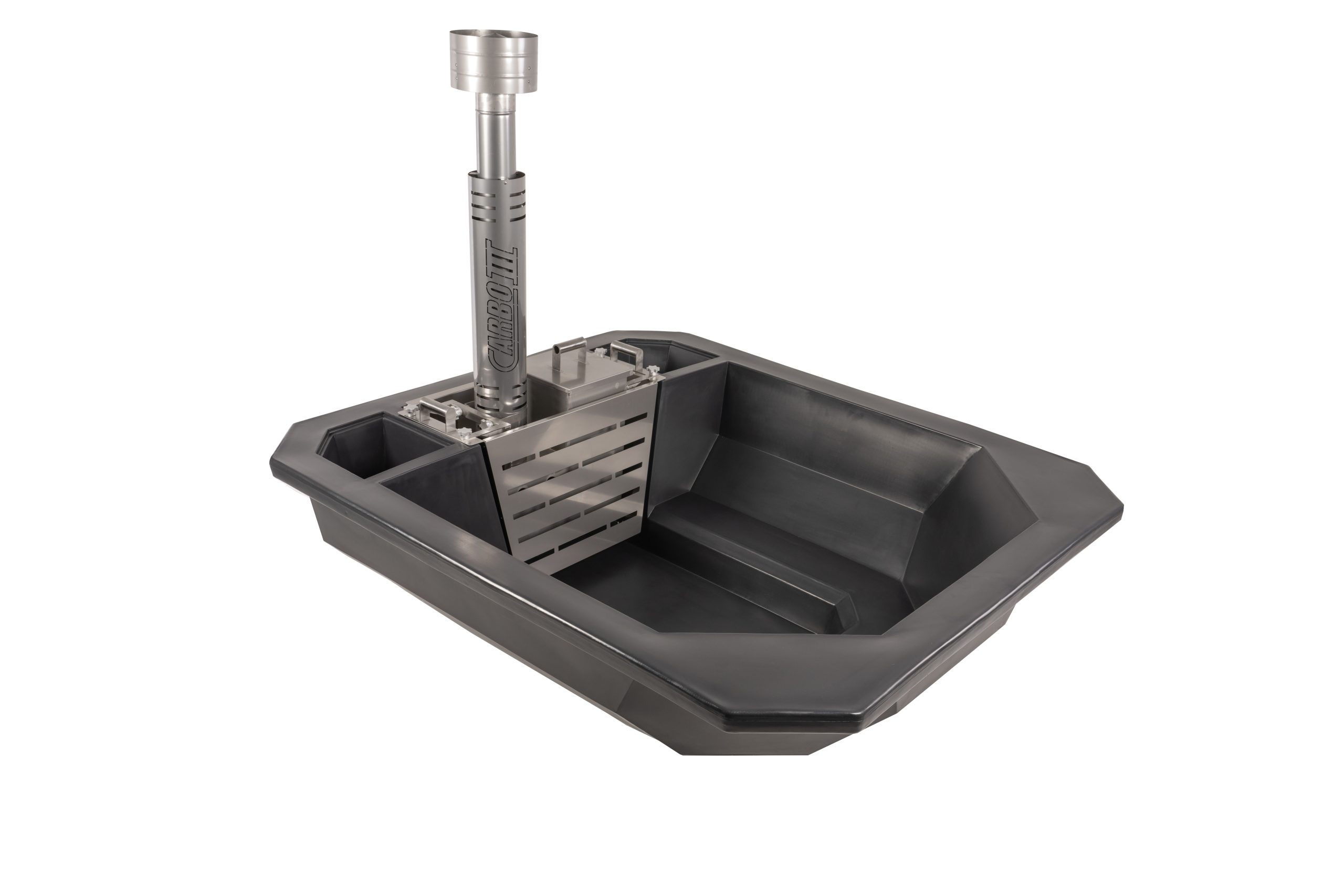
The Carbo III costs R41,500 incl. VAT and includes a UV-stabilised, insulated polyethylene tub, a 316 marine-grade stainless steel wood-fired stove, stainless steel flue and a GeoBubble insulating cover. Optional extras, such as a ripstop cover and flue extension, bring a typical package to approximately R45,145. Delivery is quoted separately.
So what should you look for when comparing prices, and what additional costs should you budget for? Here's what you need to know.
What affects the price of a wood-fired hot tub?
Two hot tubs that look similar can cost very different amounts. These are the main factors that influence the price:
Tub material. Tubs are made from materials such as plastic, fibreglass and timber. The Carbo III is manufactured from UV-stabilised LLDPE (linear low-density polyethylene), with built-in polyethylene foam insulation. This combination provides a durable, weather-resistant tub with insulation incorporated into its construction.
Size and seating. A bigger tub generally costs more to manufacture and requires more wood to heat. The Carbo III holds approximately 1,000 litres and comfortably accommodates four to five adults.
The stove. Look at what the stove is made of, not just whether one is included. The Carbo III uses a 316 marine-grade stainless steel wood-fired stove, housed in a stainless steel heat-protection box. The grade of stainless steel matters because it offers excellent corrosion resistance in outdoor environments.
Insulation and covers. Good insulation helps retain heat, reduces heat loss and can limit the amount of firewood needed. The Carbo III includes a GeoBubble insulating cover.
Delivery and set-up. Prices often exclude delivery. Check what is included before comparing quotations, particularly if the supplier is located in another province.
Extras. Protective covers, wooden lids, heat plates and flue extensions can add to the final price.
What does the Carbo III price include?
What is not included?
Delivery is quoted separately according to your location. The Carbo III is available nationwide, with a standard lead time of approximately 7–10 business days, depending on stock availability and your chosen colour. Every unit comes with a two-year warranty covering operational faults, subject to the warranty terms and exclusions.
The Carbo III is freestanding and does not require permanent plumbing or a dedicated electrical connection. The wood-fired stove heats the water without electricity. An optional circulation or filtration pump, if used, will require an electrical supply.
Optional extras and what they cost
You can customise your Carbo III with a selection of optional accessories.


Wooden Lids
Lids for storage compartments.


Heat Plates
Protects the tub from possible burns and damage.
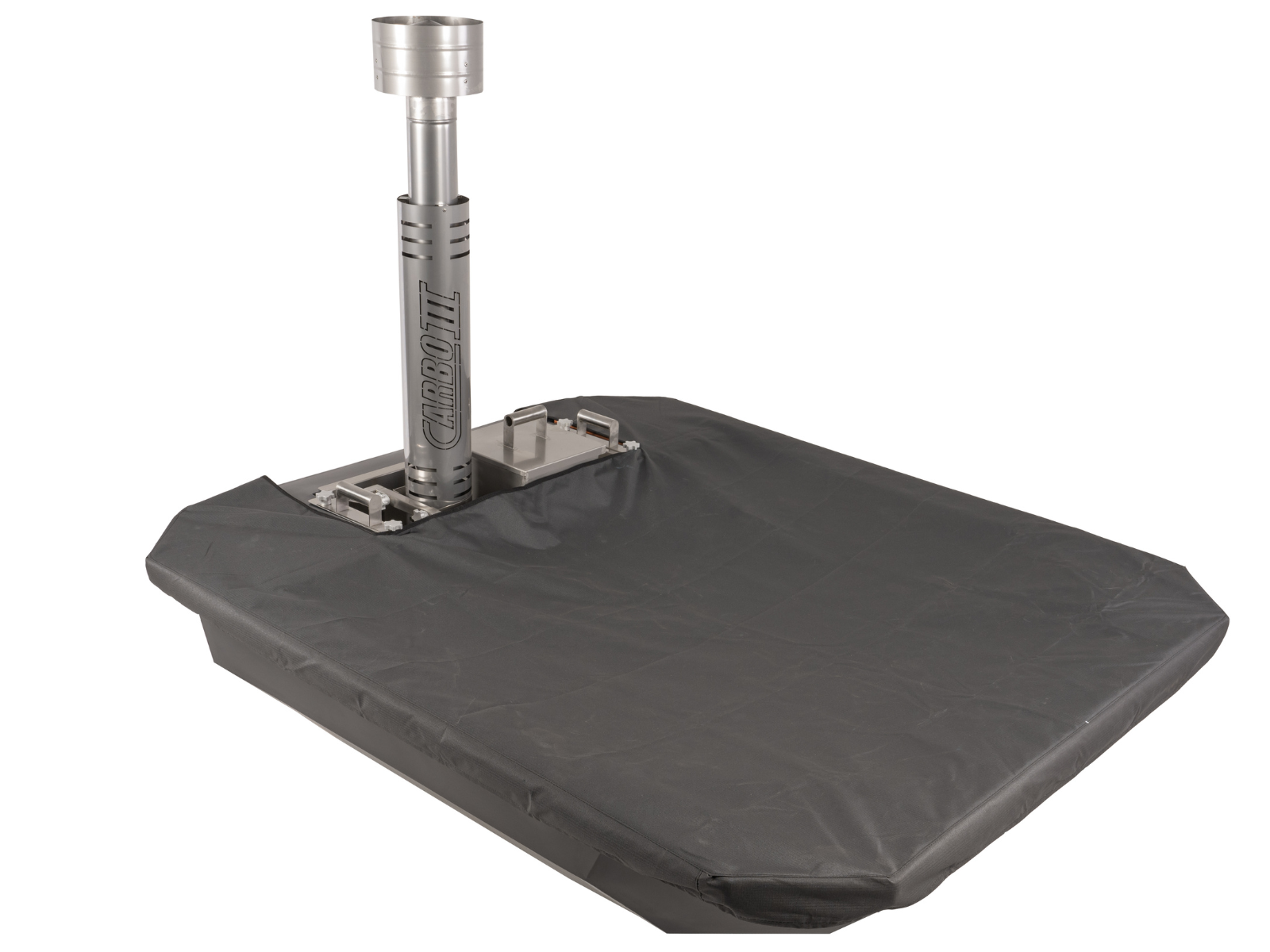
¾ Ripstop Cover
Opening allows the stove and flue pipe to stay in position while covered.

Full Ripstop Cover
Completely covers the tub while the stove is still in place. Flue pipe needs to be removed.


Flue Extension
Extends the flue pipe through the roof.

Ceiling Plate
Ceiling plate for finishing.
For example, adding a ¾ ripstop cover and flue extension to the standard Carbo III package brings the total to R45,145 incl. VAT, excluding delivery.
Running costs: firewood and water
One of the advantages of a wood-fired hot tub is that you don't need electricity to heat the water. The main running costs are firewood, water and any water-treatment products or optional filtration equipment you choose to use.
The Carbo III holds approximately 1,000 litres of water and typically takes around 90 minutes to heat from cold, depending on the starting water temperature and weather conditions.
As a general guide, heating the tub takes approximately 20 pieces of dry firewood. At an estimated cost of R90, this makes firewood an affordable part of the overall experience, although actual consumption and cost will vary depending on the type and size of wood used.
The GeoBubble insulating cover helps retain heat after the fire has been extinguished, reducing the need to continually add wood to maintain the water temperature.
Water should be kept clean and properly maintained between uses. Depending on how frequently the tub is used and the water-treatment method selected, you may need to drain and refill it periodically. Optional filtration can help manage water quality, but it must be combined with appropriate water treatment, cleaning and regular water-quality checks.
When it is time to change the water, the Carbo III's two drainage outlets with valve taps make emptying the tub straightforward. Where water-treatment chemicals have been used, ensure the discharged water is safe for your garden before using it for irrigation.
Wood-fired vs electric hot tubs: what changes?
The purchase price is only part of the comparison. The way a hot tub is heated affects its installation requirements, running costs and suitability for different locations.
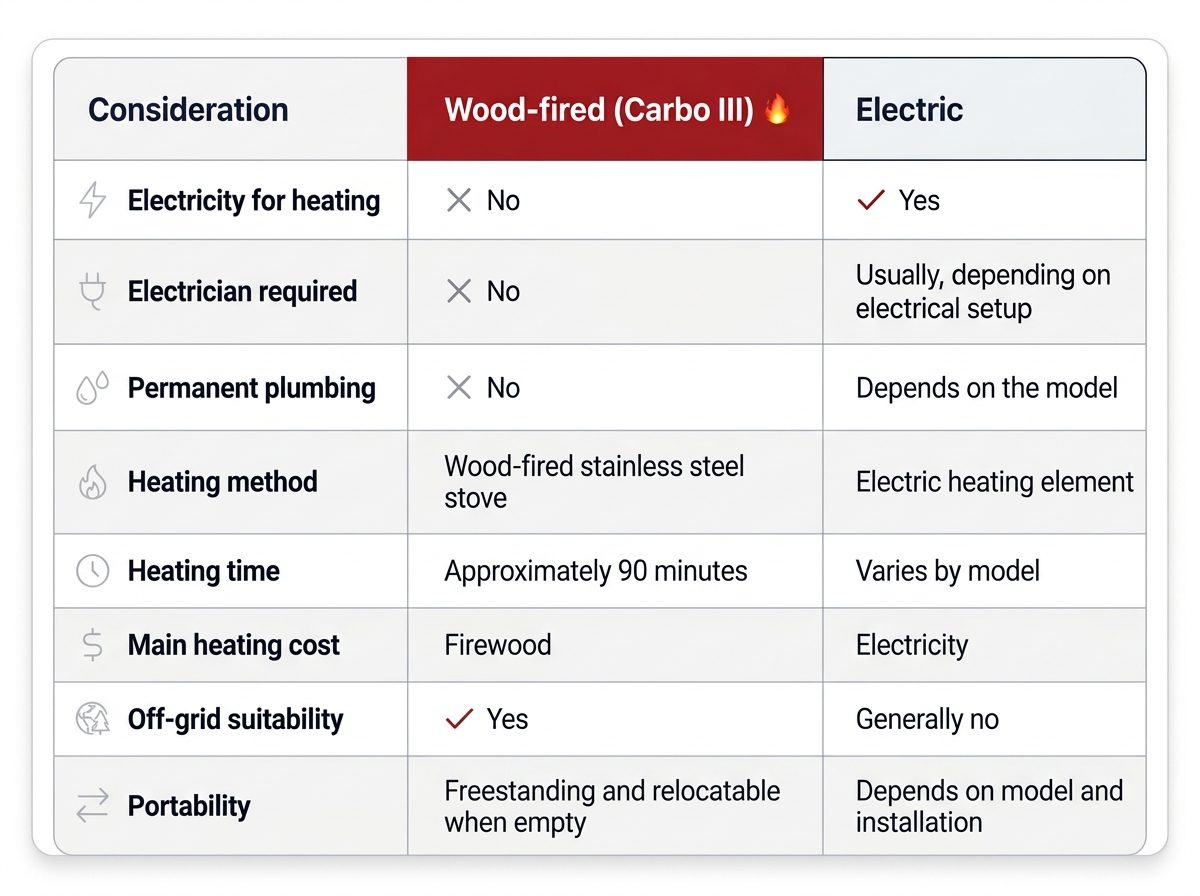
The biggest difference is how the water is heated and what infrastructure is needed. With the Carbo III, you don't need a dedicated electrical supply or permanent plumbing to enjoy a hot tub.This makes it particularly suitable for farms, holiday homes, remote properties and outdoor spaces where installing additional services would be inconvenient or expensive.