
The complete buyer's guide to
wood-fired hot tubs
Buying a wood-fired hot tub is a significant investment, so it is worth looking beyond the appearance of the tub itself. The right choice depends on factors including size, materials, heating performance, installation, maintenance, durability and how the tub will actually be used.
This guide covers the main questions to consider before buying a wood-fired hot tub.
How many people will use it?
Start with capacity.
A tub designed for two to three people will have different dimensions and water requirements from one designed for a family or small group.
Carbo III is designed for approximately four to five adults.
Think about how you will normally use the tub rather than choosing the largest model simply because it has greater capacity. A larger tub also means more water to heat and potentially more space and resources required.
Where will it be installed?

Does it need electricity?
This is one of the most important questions when choosing between different types of hot tub.
Wood-fired hot tubs use a stove rather than an electrical heating element. Carbo III requires no electricity to heat the water, making it particularly suitable for many rural and off-grid settings.
Some clients choose to add an additional water pump to assist with water circulation. If a pump is installed, an electricity supply will be required to operate it. The pump is optional and is not required for the wood-fired heating system itself.
How long does it take to heat?
Heating time depends on factors such as starting water temperature, weather conditions, firewood and fire management.
Carbo III typically heats approximately 1,000 litres of water in around 90 minutes.
It is important to understand that this is a typical heating time rather than a guarantee under every condition.
What is the tub made from?
Materials affect durability, maintenance and long-term performance. Carbo III uses a UV-stabilised LLDPE tub with polyethylene foam insulation. The stove is manufactured from 316 marine-grade stainless steel, with a 316 stainless-steel heat protection box and 304 stainless-steel insulated flue and cowl.
When comparing hot tubs, look beyond the finish and appearance. The materials used in the tub, insulation, stove and other components can have a significant effect on long-term performance.
How much maintenance is involved?
Like any water-based product, a hot tub requires regular care. Water quality needs to be managed, the tub should be kept clean and the stove and flue should be maintained according to the manufacturer's guidance. Good maintenance helps protect the product and keeps the experience enjoyable.
Before buying, make sure you understand what regular maintenance involves and what will be required to keep the water and equipment in good condition.
What does installation involve?
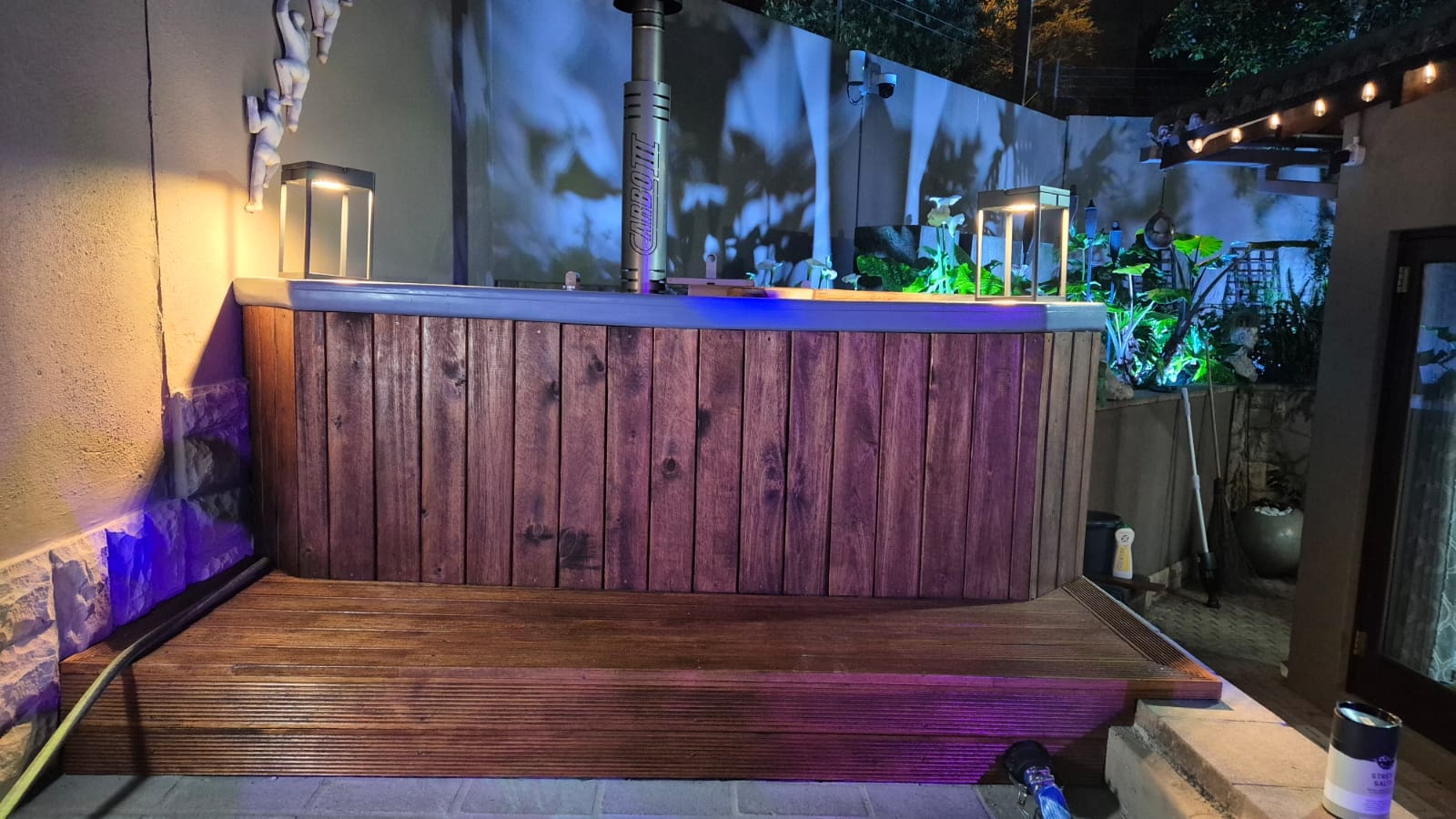
One of the advantages of a wood-fired hot tub is that it can be relatively straightforward to install compared with systems that require permanent electrical infrastructure. However, the installation area still needs to be suitable, and the stove and flue must be operated safely.
Consider the surface on which the tub will stand, access to the site, drainage, chimney clearance and safe operation of the stove. Always follow the manufacturer's installation and safety instructions.
What will it cost?
What should be included?
Before purchasing, check exactly what comes with the product. A Carbo III package includes the tub, wood-fired stove, heat protection box, flue and associated components.
Additional accessories are available depending on how the tub will be used. Make sure you understand what is included in the quoted price and which items may need to be purchased separately.
What warranty is offered?
A warranty provides important reassurance, particularly for a product designed for long-term outdoor use. Carbo III provides a two-year operational warranty, subject to its warranty terms and exclusions.
Always read the manufacturer's warranty conditions before purchasing and make sure you understand what is covered and what responsibilities remain with the owner.
What does the company know about hot tubs?
Experience matters.
Carbo III has more than 1,000 installations across South Africa. That provides practical experience across different properties, environments and applications.
When comparing manufacturers, consider how long they have been operating, how many installations they have completed and whether they have experience with properties and conditions similar to yours.
Wood-fired vs electric
There is no single best heating method for every buyer.
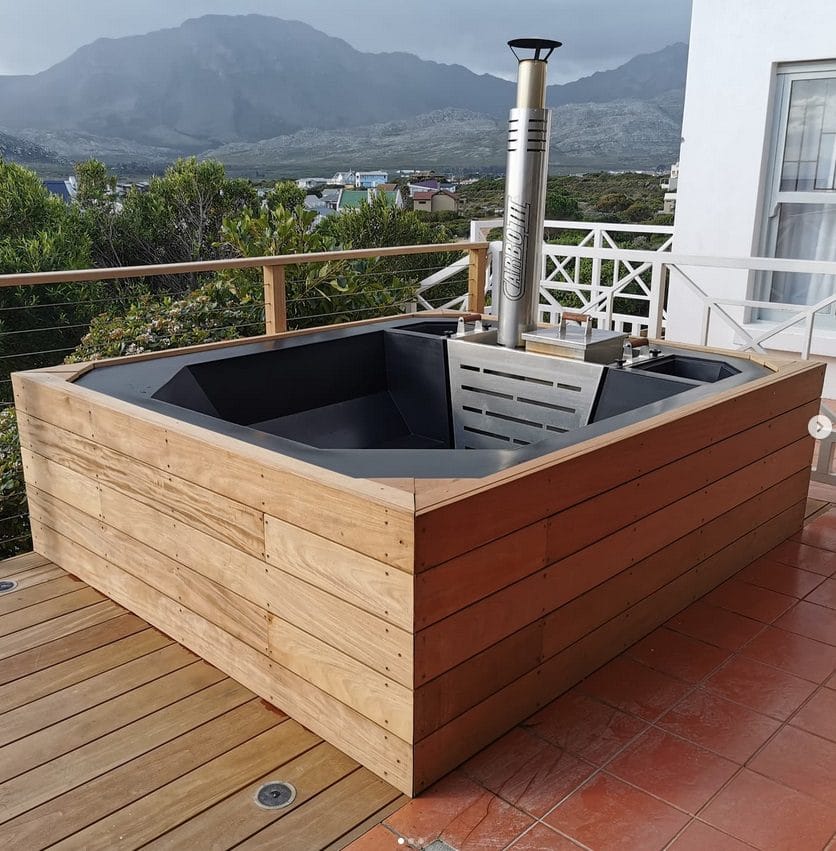
Electric systems generally prioritise automation and temperature management. Wood-fired systems prioritise independence from electricity and a more hands-on outdoor experience.
The right choice depends on how you want to use the tub and what infrastructure is available at your property. If convenience and automated temperature control are the highest priorities, an electric system may be more suitable. If independence from electricity and the experience of heating the tub with a wood-fired stove appeal to you, a wood-fired system may be the better fit.
What about a cover?
A cover can help protect the water and tub from the elements and can be useful for reducing debris entering the water. Carbo III offers wooden and ripstop cover options.
Consider how frequently the tub will be used and the environment in which it will be installed when choosing a cover.